
Business
Best Mallorcan Tumbet near Me: Where to Enjoy Delicious Mediterranean Food

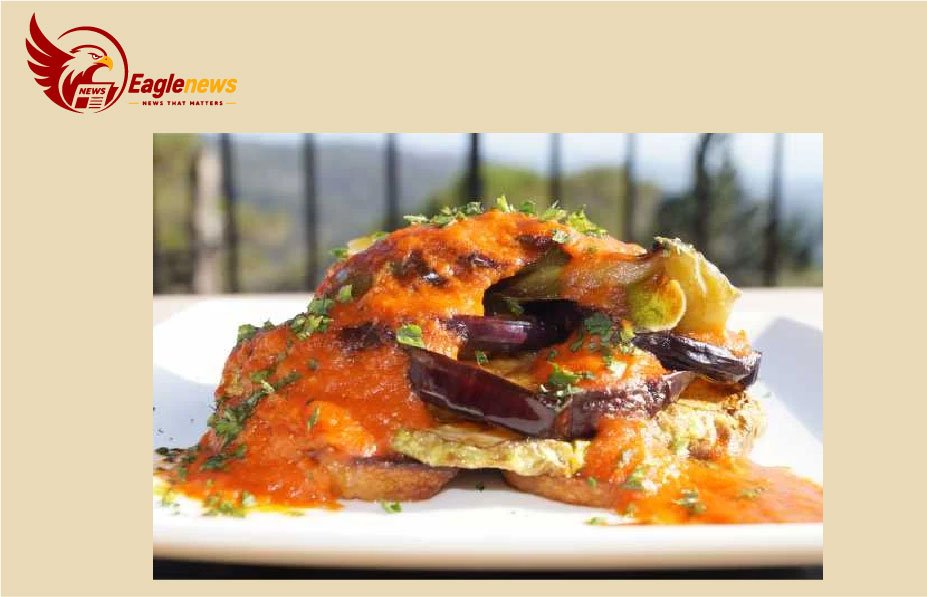
If you’ve typed “best Mallorcan tumbet near me” into your phone, you probably want one specific thing: soft potatoes, aubergine and peppers under a thick tomato sauce, cooked the way an island family would cook it. The catch is that “near me” can mean very different things. For one reader it’s a cellar restaurant in Inca. For another it’s a Spanish place in a city where nobody has heard of the dish.
So this guide covers both. It explains what proper tumbet looks like, where it’s easiest to find on Mallorca, and what to do when you’re nowhere near the Balearics.
What Tumbet Is (and Isn’t)
Tumbet, sometimes spelled tombet, is a traditional vegetable dish from Mallorca. Potatoes, aubergines and red peppers are sliced and fried in olive oil, then layered and covered with tomato sauce. Courgette, garlic or a bay leaf show up in some households, and the exact mix changes from kitchen to kitchen.
It looks a bit like ratatouille, but the method is different. The vegetables are fried separately and stacked, not stewed together, so every layer keeps its own texture. Traditionally the dish is built in a greixonera, the island’s earthenware baking dish.
It’s naturally vegetarian, and usually vegan too. Don’t mistake that for light eating, though. All that olive oil makes it rich and filling.
Tumbet is also a summer dish at heart, because aubergines, red peppers and tomatoes peak in the warm months. Many restaurants serve it for much of the year, but summer is when it tastes most like itself.
What a Good Tumbet Looks Like
Most kitchens on the island can make tumbet. Fewer make it well. Here’s what to check when the plate arrives:
- Distinct layers. You should be able to tell potato from aubergine from pepper. If it has collapsed into one brown pile, it’s been overcooked or rushed.
- Enough sauce. A good tumbet needs plenty of thick tomato sauce, not a thin red smear.
- Oil you can taste. A little pooling is normal. A greasy puddle isn’t.
- Tender potatoes. Soft in the middle, with some colour at the edges.
Temperature is flexible. Tumbet can be served hot or at room temperature, so a warm plate isn’t a warning sign. A plate that tastes like it has been sitting around since the morning is.
Where to Find Tumbet in Mallorca
Tumbet appears on most traditional menus across the island, so you’re rarely stuck. The question is where it’s likely to be best.
Cellers, especially around Inca
A celler is an old wine cellar that now works as a restaurant, serving traditional island food in big, simple rooms. Inca has long been known as the celler town of Mallorca, and a reader survey run by the newspaper Ultima Hora named it the best place to eat on the island, as reported by the Majorca Daily Bulletin in 2025. Cellers often mentioned in that coverage include Ca’n Ripoll, Can Lau and Can Marron.
In Palma, Celler Sa Premsa is frequently described as one of the more authentic places for Mallorcan cooking. Menus, opening days and quality change over time, so treat any name as a starting point and check recent reviews before you go.
Old bars in Palma and the variat
Some of the city’s older bars serve a variat, a small mixed plate of traditional dishes. Tumbet is often part of it. This is a good option if you’d like a taste of several island classics without ordering a full meal of each.
Inland villages and the Tramuntana
Smaller towns tend to cook for locals first and visitors second. Menus are shorter and dishes follow the season. If you’re driving through the mountains, a village lunch stop in a place like Valldemossa is a sensible way to try tumbet alongside local lamb or other island dishes.
The fixed-price lunch
Many restaurants offer a set lunch menu with a starter, main, dessert and a drink. Traditional dishes often rotate through it, so check the board outside. Prices differ from place to place and change with the year, so look at the menu rather than trusting an old blog post, including this one.
Reading the Menu
Look for tumbet, tombet or tumbet mallorquí. It can be a starter, a vegetarian main or a side dish. In many Mallorcan homes it’s served as a garnish for meat, eggs or fish, and you may see it listed that way, sometimes topped with a fried egg.
If you’re vegetarian, tell the waiter. Tumbet is an easy dish to adapt, but check whether the kitchen adds anything unexpected, such as a meat-based stock in the sauce or a piece of meat on the side.
Be slightly wary of restaurants with a menu in five languages and photos of every dish. They can still be fine. But a kitchen that focuses on Mallorcan food is more likely to make a convincing tumbet.
Finding Tumbet When You’re Not in Mallorca
Outside the Balearics, the search gets harder. Mallorcan cooking doesn’t travel as widely as paella or tortilla, and most Spanish restaurants abroad won’t list it. A few things are worth trying:
- Search for Balearic or Mallorcan restaurants by name. They exist in some cities, but they’re rare.
- Check Spanish and Catalan restaurants. Chefs sometimes add regional dishes seasonally, especially in summer.
- Ask. If a place has a Spanish kitchen, it may be able to tell you about a similar vegetable dish even if it isn’t printed on the menu.
- Try a close relative. Catalan samfaina and French ratatouille aren’t the same thing, but they scratch a similar itch.
The last option is to cook it yourself. It takes patience more than skill: salt and drain the aubergine, fry each vegetable separately, layer them, spoon the tomato sauce over the top and let the dish rest. Like many stews and bakes, it often tastes better after it has had time to settle.
What to Drink with It
Mallorca has two official wine regions, Binissalem in the centre of the island and Pla i Llevant in the east. Two native red grapes are worth knowing. Manto Negro is the most widely grown, and it carries real weight in Binissalem blends. Callet is the star in Pla i Llevant.
Both tend to make reds that are fairly pale and light on tannin. That suits a dish this oily, because a heavy, tannic wine would fight it. A lighter red or a chilled rosé is a safer match. A cold beer is also a respectable choice.
A Few Practical Tips
- Check the season. Summer is when tumbet is made with the freshest ingredients.
- Go at local meal times. Spanish lunch usually runs later than many visitors expect, and some kitchens close between lunch and dinner.
- Read reviews for specifics. Comments that mention the tumbet itself are more useful than a general star rating.
- Order it more than once. Each cook has a slightly different version, and comparing them is half the fun.
Eat It Slowly, and Ask for Bread
The best tumbet near you is rarely the fanciest one. It’s the plate made with good olive oil, ripe tomatoes and some patience, in a kitchen that has made it many times before.
On Mallorca, start with the cellers around Inca, a traditional place in Palma, or a village lunch stop. If you’re somewhere else, search for Balearic or Catalan restaurants, ask the kitchen, or make a batch at home. However you find it, order bread too. You’ll want it for the sauce.


Connections Clues Today Forbes – How to Solve Today’s NYT Puzzle

Coomer . su: A Complete Guide to Its Purpose, Risks, and Alternatives

Www. EuroGamersOnline .com: Discover the Best Gaming Guides and Gadgets

Do The Driving Modes in Cadillac Lyriq Offer Different Ranges or Battery Usages?

Tara Renee Schemansky: The Private Life of an American Lawyer and Hollywood Wife

Benzynews Com: Your Complete Guide to a Multi-Topic Online News and Information Platform
-
 Tech4 months ago
Do The Driving Modes in Cadillac Lyriq Offer Different Ranges or Battery Usages?
-
 Celebrity4 months ago
Tara Renee Schemansky: The Private Life of an American Lawyer and Hollywood Wife
-
 Tech4 months ago
Benzynews Com: Your Complete Guide to a Multi-Topic Online News and Information Platform
-

 Celebrity4 months ago
Kent Valandra: The Private Half-Brother of Game Show Legend Bob Barker
-

 Celebrity4 months ago
Eduardo Hagn: The Rise of Arsenal’s Most Influential Independent Football Analyst
-

 Tech3 months ago
Droven.io USA: A Vendor-Neutral Guide to AI and Automation Tools
-

 Celebrity4 months ago
A Moment Frozen in Time: Julia Martinez’s Quinceañera and the Fragility of Life
-

 Tech4 months ago
Crew CloudySocial: The Complete Guide to Smarter Social Media Teamwork and Collaboration