
Business
I’m a Pregnant Woman. Are Nivea Products Safe Compared to Burt’s Bees or Mustela?

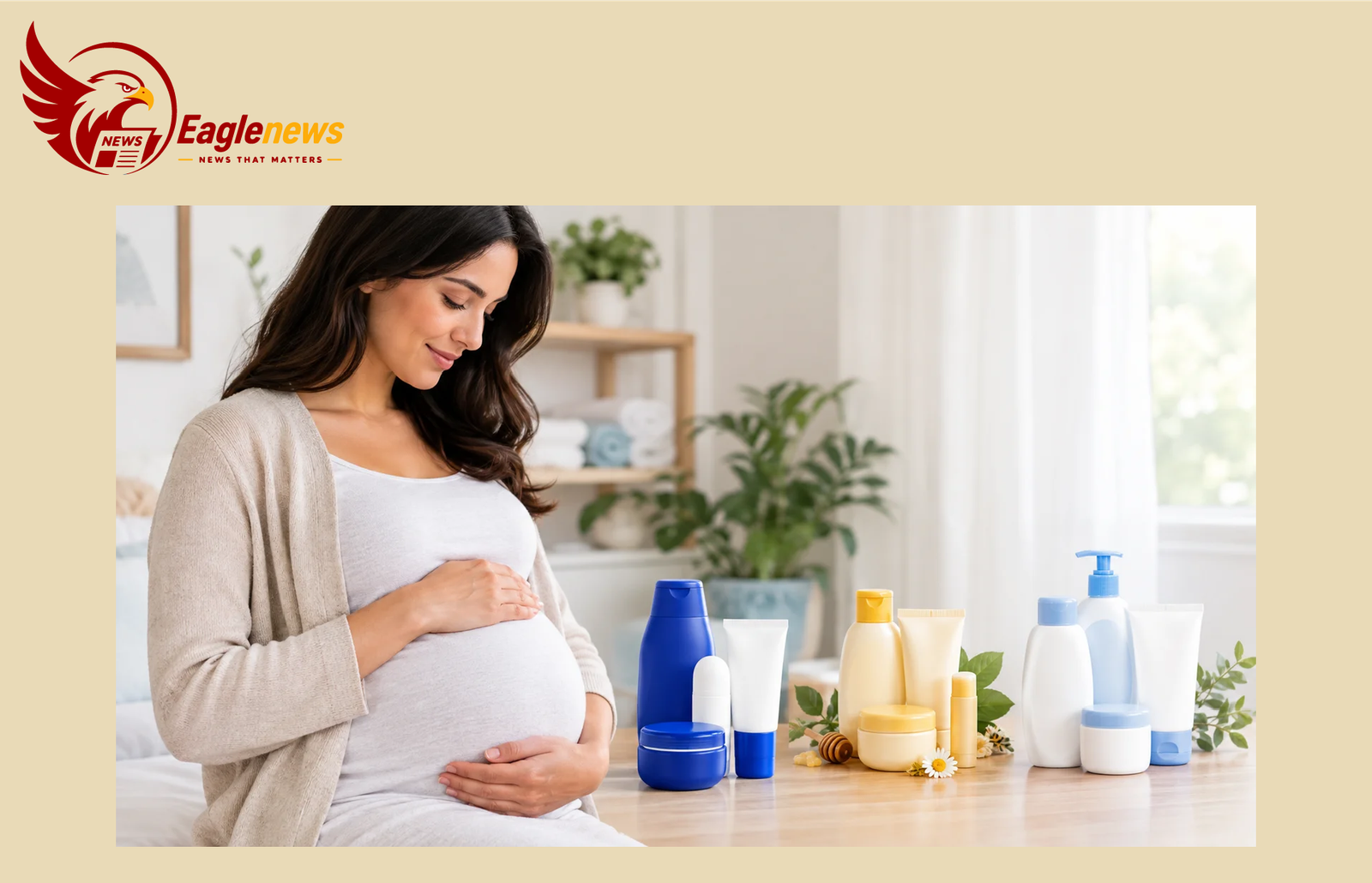
Somewhere in the second trimester, the tightness and itching usually arrive. You reach for the Nivea tub you already own, then stop and wonder whether you should switch to something with “mama” on the label. That’s where the question comes from: I’m a pregnant woman, are Nivea products safe compared to Burt’s Bees or Mustela?
The short answer is that the brand matters less than the specific product. Plain moisturizers from all three are unlikely to cause trouble, but any brand’s range can include a product with an ingredient worth skipping. Here’s how to tell them apart.
What Most Guidance Agrees On
Most over-the-counter skin care is considered fine during pregnancy. The ingredients that raise real concern are retinoids, hydroquinone, formaldehyde, and phthalates. The American College of Obstetricians and Gynecologists (ACOG) also suggests using a heavy moisturizer to keep skin comfortable.
The American Academy of Dermatology adds a useful warning for this exact situation: talk to a healthcare professional before using products aimed at stretch marks, because some of them contain retinol.
So the real job is reading labels, not picking a team.
Ingredients Worth Checking For
- Retinoids. Look for retinol, retinyl palmitate, retinaldehyde, tretinoin, and adapalene. Oral retinoids are linked to birth defects. Research suggests topical versions are unlikely to cause harm, but the standard advice is still to avoid them until after pregnancy.
- Hydroquinone. A skin-lightening ingredient that the body absorbs more readily than most topical ingredients.
- High-dose salicylic acid. Peels and strong treatments are the concern. Low-dose over-the-counter products such as cleansers are generally described as acceptable.
- Formaldehyde and phthalates. Better left out.
- Oxybenzone. Some guidance recommends avoiding sunscreens that contain it, and many people choose mineral sunscreens instead.
Notice where these show up. They tend to hide in anti-aging, brightening, and acne products, not in a basic body cream.
Nivea: Simple Basics, but Read the Specialty Lines
Nivea is a huge brand, so one answer can’t cover it. A basic moisturizer built from glycerin, oils, and common emollients is the kind of product pregnancy guidance generally treats as low concern.
The trouble starts with specialty products. Nivea sells firming, brightening, and stretch mark treatments, and ingredients and labeling differ by country. One retailer listing describes a Luminous630 stretch mark cream as suitable for pregnancy, but retailer wording is not a medical clearance. Check the ingredient list yourself, and ask your midwife or OB if a product makes active claims.
Face products and sun care deserve the same scrutiny. A “wrinkle” or “brightening” label is your cue to look closer.
Burt’s Bees: A Pregnancy Line, and “Natural” Isn’t a Safety Label
Burt’s Bees makes a Mama Bee range, including a belly butter. The brand describes it as 99% natural origin and free of phthalates, parabens, petrolatum, and SLS. One retailer’s ingredient list shows shea, cocoa, and jojoba butters alongside coconut, sweet almond, and soybean oils, with tocopherol (vitamin E) and phenoxyethanol as a preservative.
That list is the thing to check if you have allergies. Sweet almond, coconut, and soy are all potential triggers. Scent and formula details also differ between listings and regions, so read the tub in your hands.
“Natural” is a marketing word. Plant oils and essential oils can irritate skin or cause reactions, and not every Burt’s Bees product is designed for pregnancy.
Mustela: A Baby Brand With a Maternity Cream
Mustela is best known for baby skin care, and its stretch mark cream is the product pregnant customers usually mean. It’s sold as safe to use during pregnancy and breastfeeding, and it contains ingredients such as shea butter, beeswax, and avocado peptides. It comes in fragranced and fragrance-free versions, which helps if scents bother you while you’re pregnant.
The brand cites clinical results about preventing stretch marks. Treat those as the brand’s own claims. Genetics play a big part in who gets stretch marks, and no study result guarantees yours.
How They Compare
| Brand | Pregnancy-focused product | What to check |
|---|---|---|
| Nivea | Wide range, including firming and stretch mark products | Retinol or brightening actives in face and specialty lines; labels vary by country |
| Burt’s Bees | Mama Bee line, including belly butter | Nut, coconut, and soy oils if you have allergies; formulas vary between listings |
| Mustela | Stretch mark cream for pregnancy and after birth | Fragranced versus fragrance-free; effectiveness claims come from the brand |
Will Any of Them Stop Stretch Marks?
Honestly, no cream can promise that. Burt’s Bees itself says its belly butter doesn’t claim to remove stretch marks and points to genetics and skin elasticity as major factors.
What a good moisturizer can do is ease dryness, tightness, and itching, and that’s a fair reason to use one. Pick a product you’ll actually apply every day.
A Five-Step Label Check
- Ignore the front of the box. Turn it over and read the ingredient list.
- Scan for the flagged names: retinol, retinyl palmitate, retinaldehyde, tretinoin, adapalene, hydroquinone, formaldehyde, and phthalates.
- Check for strong salicylic acid if the product is a peel or treatment.
- Look for your own allergens, especially nuts, coconut, soy, and fragrance.
- Patch test. Dab a little on your inner forearm and wait a day before using it more widely, since skin can react differently during pregnancy.
If a product makes active claims such as firming, brightening, or anti-wrinkle, show the label to your OB or midwife before using it.
So Which One Should You Pick?
A plain Nivea moisturizer is a reasonable everyday option as long as the label shows nothing from the list above. Burt’s Bees Mama Bee and Mustela’s stretch mark cream are built with pregnancy in mind, so they take some of the guesswork out, though you still need to check for allergens and scent.
Choose based on your skin, your allergies, and your budget, and read every label. This article is general information, not medical advice, so bring any product you’re unsure about to your healthcare provider.


VocalNewsMedia com Review: Benefits, Limitations, and Key Facts

How Roarbiznes Business Infoguide From Riproar Supports Business Planning and Growth

Ziimp .com for Beginners: Exploring Finance, Investing, and Market News

Do The Driving Modes in Cadillac Lyriq Offer Different Ranges or Battery Usages?

Tara Renee Schemansky: The Private Life of an American Lawyer and Hollywood Wife

Benzynews Com: Your Complete Guide to a Multi-Topic Online News and Information Platform
-
 Tech3 months ago
Do The Driving Modes in Cadillac Lyriq Offer Different Ranges or Battery Usages?
-
 Celebrity3 months ago
Tara Renee Schemansky: The Private Life of an American Lawyer and Hollywood Wife
-
 Tech3 months ago
Benzynews Com: Your Complete Guide to a Multi-Topic Online News and Information Platform
-

 Celebrity3 months ago
Eduardo Hagn: The Rise of Arsenal’s Most Influential Independent Football Analyst
-

 Celebrity3 months ago
Kent Valandra: The Private Half-Brother of Game Show Legend Bob Barker
-

 Tech2 months ago
Droven.io USA: A Vendor-Neutral Guide to AI and Automation Tools
-

 Celebrity3 months ago
A Moment Frozen in Time: Julia Martinez’s Quinceañera and the Fragility of Life
-

 Tech3 months ago
Crew CloudySocial: The Complete Guide to Smarter Social Media Teamwork and Collaboration