
Tech
Xiaomi YU7 Review: Can This Electric SUV Beat the Tesla Model Y?

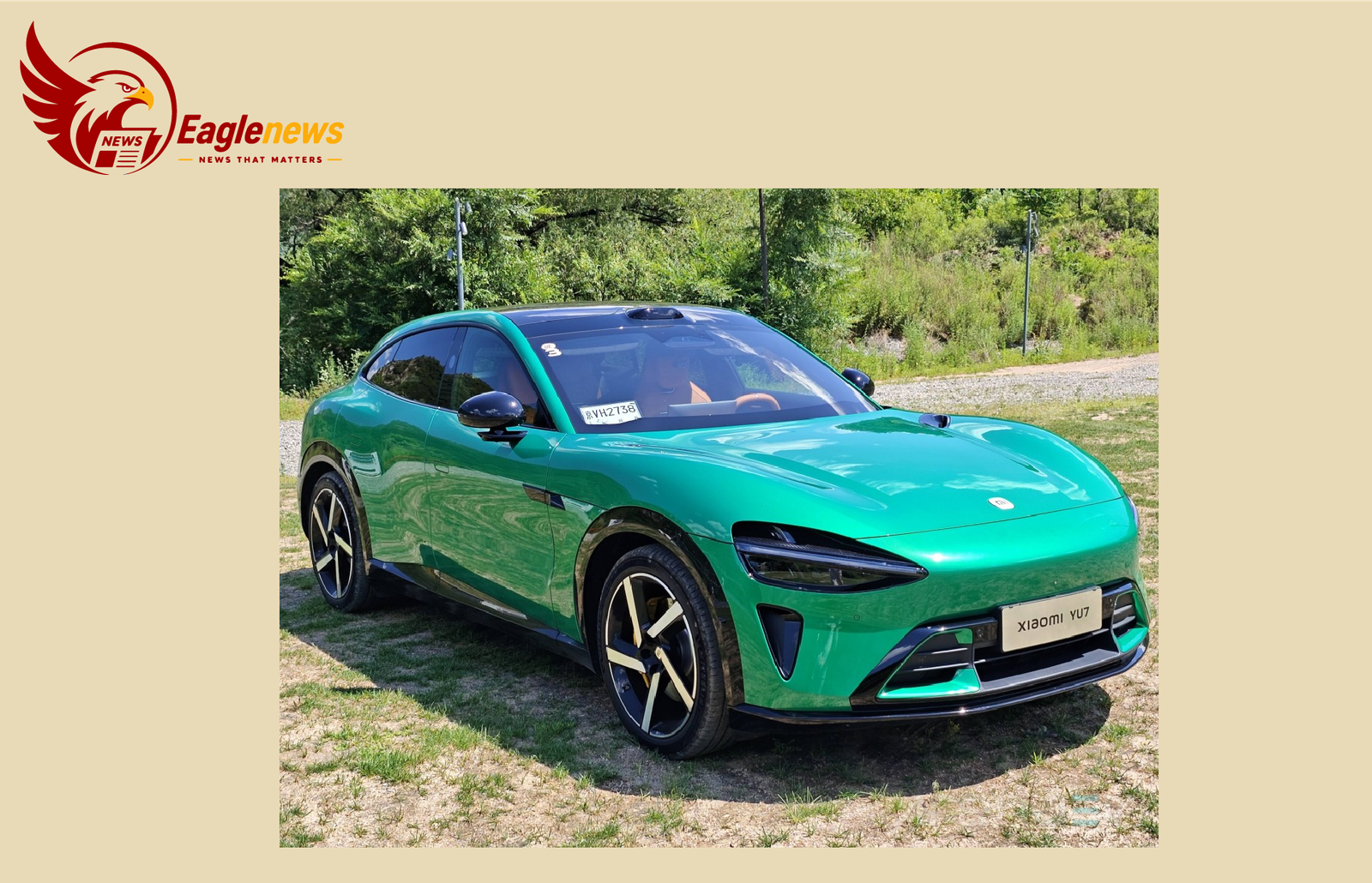
Few new cars have launched with as much noise as the Xiaomi YU7. The phone maker’s second EV was aimed straight at the Tesla Model Y, and CEO Lei Jun compared the two spec by spec on stage. Xiaomi said it took more than 200,000 firm orders within the first three minutes of sales.
That’s a bold start, so the real question is whether the car backs it up. This review looks at what the Xiaomi YU7 offers on paper, what independent tests have shown, and where the Model Y still holds its ground. One caveat up front: the YU7 is sold only in China, so this is based on published specs and third-party testing, not a long-term drive.
Three Trims, One Big SUV
The YU7 launched in China on June 26, 2025. The Standard is a single-motor, rear-wheel-drive car. The Pro and Max are dual-motor and all-wheel drive. Launch prices and key figures looked like this:
- Standard: 235 kW, 0-100 km/h in 5.88 seconds, 835 km CLTC range, 253,500 yuan
- Pro: 365 kW, 4.27 seconds, 770 km, 279,900 yuan
- Max: 508 kW, 3.23 seconds, 760 km, 329,900 yuan
All three use an 800V electrical system. The Standard and Pro carry a 96.3 kWh LFP battery, while the Max gets a 101.7 kWh pack. In May 2026 Xiaomi also began deliveries of a cheaper standard edition starting at 233,500 yuan, so the entry price has moved since launch.
The car is big. It measures 4,999 mm long and 1,996 mm wide, on a 3,000 mm wheelbase. That makes it roughly 200 mm longer than the Chinese-market Model Y.
Xiaomi YU7 vs Tesla Model Y on Paper
Here is the base YU7 against the base Model Y, using launch-era figures for the Chinese market. Prices and trims change, so check current listings before drawing conclusions.
| Detail | Xiaomi YU7 Standard | Tesla Model Y RWD |
|---|---|---|
| Starting price (China, launch) | 253,500 yuan | 263,500 yuan |
| CLTC range | 835 km | 593 km |
| 0-100 km/h | 5.88 s | About 5.9 s |
| Electrical architecture | 800V | 400V |
| Length | 4,999 mm | About 4,797 mm |
The price gap is small. The Standard undercut the Model Y by 10,000 yuan, about 4 percent. The real difference is in range and charging hardware, which is where Xiaomi put most of its marketing effort.
Range and Charging: Read the Fine Print
CLTC, the test cycle behind those range numbers, is generous. Its average speed is only around 37 km/h, so it flatters any EV. Highway driving gives a more honest picture.
Chinese outlet Sohu ran a highway-only test on a YU7 Max rated at 750 km. The car covered 483 km before the display hit zero, about 64 percent of the rating. Electrek’s reviewer, after driving the Max at launch, estimated around 500 km of highway range, which lines up. Sohu also reportedly found it had the longest high-speed range of the EVs in its challenge, so the result is better than the percentage suggests.
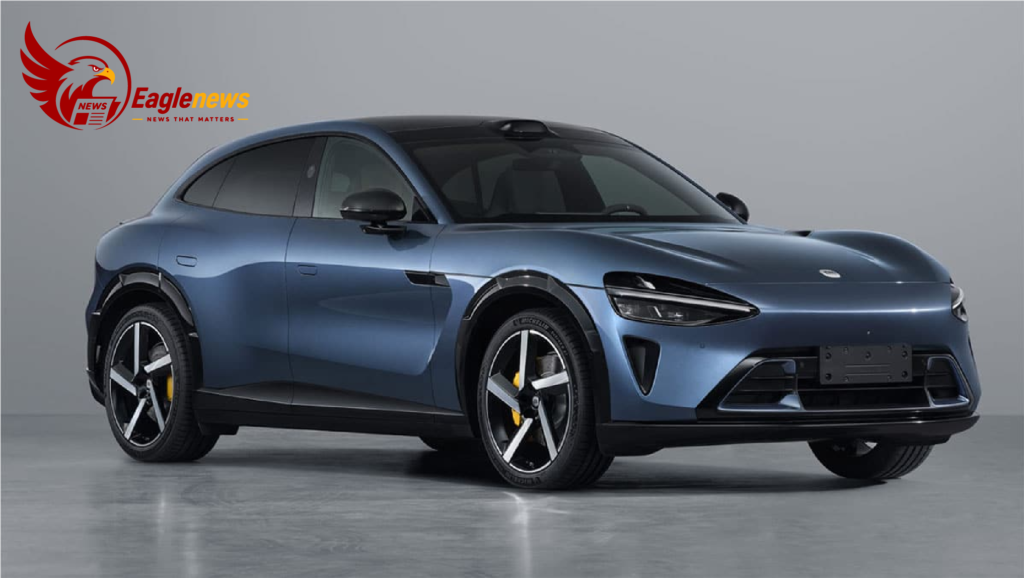
Xiaomi’s own stories paint a rosier picture. Lei Jun has said he drove a Standard from Beijing to Shanghai, about 1,300 km, with a single charging stop. It’s possible, but it’s one driver’s account under unknown conditions, so treat it as a best case rather than what to expect.
Charging is where the 800V system pays off. Xiaomi claims 10 to 80 percent in about 21 minutes for the LFP versions and 12 minutes for the Max, and it says the Model Y needs 27 minutes for the same job. Those are manufacturer figures, and results depend on the charger you plug into.
One reported long-distance test, from Beijing toward Inner Mongolia, averaged 16.8 kWh per 100 km over a mixed route with the air conditioning on. The highway stretch alone, at an average of about 82 km/h, used 19.0 kWh per 100 km. That’s a useful reminder that speed matters more than any badge on the battery.
Space, Tech and Everyday Use
Xiaomi quotes a 687-litre boot and a 141-litre front trunk, which is a lot of room for a car this size. Every trim has lidar and Nvidia’s Thor chip for the driver-assistance system, so you don’t have to pay extra to get the sensor hardware.
The cabin leans on Xiaomi’s electronics background. Reported features include dual 80-watt cooled phone chargers, a 4.6-litre fridge on some trims, and a smart-dimming panoramic roof on the Max. Chassis hardware is also serious: double wishbones at the front, a five-link rear, and four-piston Brembo calipers.
The trade-off is weight and size. One comparison put the YU7 nearly 400 kg heavier than the base Model Y, and the two upper trims are listed at about 2,400 kg. Tight city parking will suit the smaller Tesla better.
Which YU7 Trim Makes Sense?
For most buyers the Standard is the sensible pick. It has the longest rated range, the lowest price, and 5.88 seconds to 100 km/h is already quick for a family SUV. The Pro adds all-wheel drive and, according to NextPit, matches the acceleration of the Model Y Long Range at 4.3 seconds.
The Max is the one to buy for the numbers. It has the fastest charging claim and the biggest battery, though it also costs 76,400 yuan more than the Standard. Early sales reports suggested around one in five buyers chose it.
Xiaomi is also stretching the range upward. The YU7 GT, a performance version with a claimed 990 hp, reached Chinese dealerships in May 2026, so the standard cars now sit well below the top of the family.
Where the Model Y Still Has the Edge
You can actually buy it
The biggest point in Tesla’s favour is simple availability. The Model Y is sold in many countries. The YU7 is not. Xiaomi has said it plans a European launch in 2027, but as of early September 2026 no European sales date for the YU7 had been confirmed. Grey-market importers do list it, though at prices well above the Chinese ones.
Waiting times
Demand outran production badly. Shortly after launch, wait times of 56 to 59 weeks were reported, and Lei Jun himself suggested impatient buyers look at rivals, the Model Y included. Xiaomi has since ramped up output and passed 232,000 YU7 deliveries by the end of April 2026, but it’s worth checking the current queue.
Track record
Xiaomi has built cars only since 2024. That’s remarkable progress, but long-term reliability, service coverage and resale values are still unproven in a way they aren’t for a car Tesla has sold for years.
So, Can the YU7 Beat the Model Y?
In China, on specs and value, the case for the YU7 is strong. It is a little cheaper at the entry level, offers far more rated range, charges on a faster system, and comes with sensor hardware as standard. Even after the highway reality check, its range holds up well.
Outside China, the question is mostly academic for now. The Model Y wins by default because you can buy one. If Xiaomi does launch in Europe in 2027, the comparison will need to be redone with local prices, local range ratings and real service networks. Until then, the YU7 is best seen as proof that Tesla’s biggest seller now has a serious challenger.
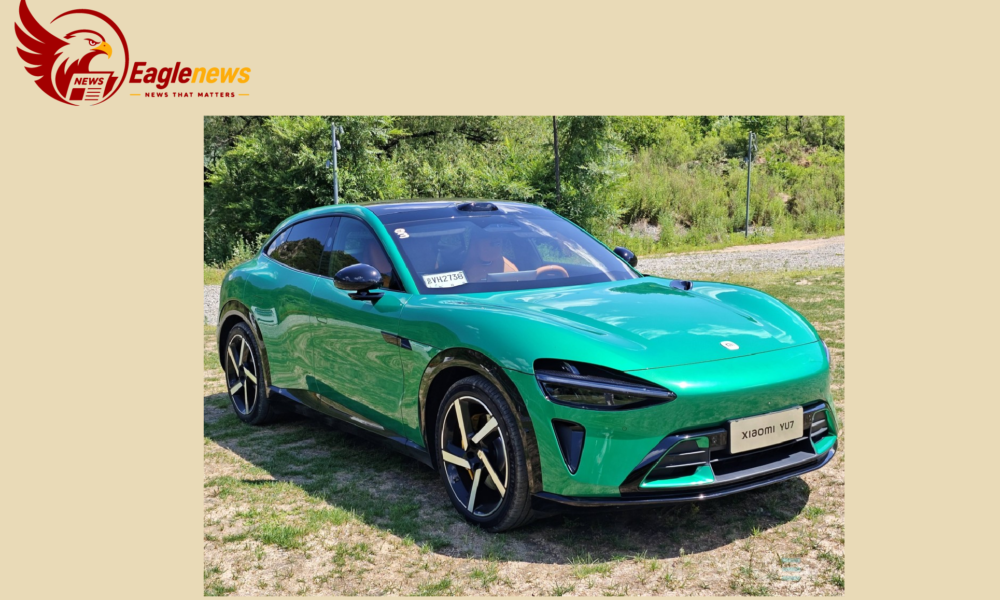


VocalNewsMedia com Review: Benefits, Limitations, and Key Facts

How Roarbiznes Business Infoguide From Riproar Supports Business Planning and Growth

Ziimp .com for Beginners: Exploring Finance, Investing, and Market News

Do The Driving Modes in Cadillac Lyriq Offer Different Ranges or Battery Usages?

Tara Renee Schemansky: The Private Life of an American Lawyer and Hollywood Wife

Benzynews Com: Your Complete Guide to a Multi-Topic Online News and Information Platform
-
 Tech3 months ago
Do The Driving Modes in Cadillac Lyriq Offer Different Ranges or Battery Usages?
-
 Celebrity3 months ago
Tara Renee Schemansky: The Private Life of an American Lawyer and Hollywood Wife
-
 Tech3 months ago
Benzynews Com: Your Complete Guide to a Multi-Topic Online News and Information Platform
-

 Celebrity3 months ago
Eduardo Hagn: The Rise of Arsenal’s Most Influential Independent Football Analyst
-

 Celebrity3 months ago
Kent Valandra: The Private Half-Brother of Game Show Legend Bob Barker
-

 Tech2 months ago
Droven.io USA: A Vendor-Neutral Guide to AI and Automation Tools
-

 Celebrity3 months ago
A Moment Frozen in Time: Julia Martinez’s Quinceañera and the Fragility of Life
-

 Tech3 months ago
Crew CloudySocial: The Complete Guide to Smarter Social Media Teamwork and Collaboration